Fall Wardrobe Refresh on a Budget: A 6-Step Plan
How to refresh your fall wardrobe on a budget: audit what you own, set a clothing number, buy secondhand first, and time the markdowns. A 6-step plan.

Budget templates, zero-based budgeting, cash envelopes, and debt payoff plans that survive contact with real life, plus the printables that keep them going.
How to refresh your fall wardrobe on a budget: audit what you own, set a clothing number, buy secondhand first, and time the markdowns. A 6-step plan.
A simple $50 split for Halloween costumes, candy, and decor, plus DIY ideas and a buying order to avoid last-minute overspending.
Prime Big Deal Days is real and recurring, but not automatically the best price. Here's the neutral math on impulse spending, timing, and gift budgets.
Use the CFPB's free 4-step budgeting method to plan November and December spending in one sitting, with every dollar assigned before the holidays hit.
The real math on buying fall clothes now versus waiting for Black Friday and Cyber Monday, using Adobe's holiday discount forecast.
Medicare's enrollment ads aren't your employer's deadline. See how the windows differ and what to check on your work health plan before it closes.
A Q4 money checklist: 10 things to do before year-end, from resetting your budget and funding the holidays to using up your FSA and checking your credit.
A calm, numbers-first check-in for the fall equinox: what to review, what the data says about Q4 costs, and one small step before holiday spending ramps up.
Cash stuffing vs digital budgeting, compared honestly on cost, control, and tracking, plus why 2026 money commentary keeps circling back to hybrid.
A 15-minute Sunday money check-in, with habit-formation research. What to do each week, how long it takes to stick, and one small next step.
Back-to-school season resets your routine. Use this simple audit to catch forgotten subscriptions and recurring charges before they drain your budget.
After a record back-to-school spending season, here's how to look at what you actually spent and reset your monthly budget with one small step.
Loud budgeting means saying your spending limits out loud instead of hiding them. What the trend actually means, and how to try it without guilt.
Build your Prime Big Deal Days list before the October 6-7 sale, using last year's real spending data.
Which September clearance categories are real discounts and which to skip, using Consumer Reports price-tracking data by category.
What a tailgate or game-day watch party actually costs right now, using current grocery price data, plus one small step to keep your spread on budget.
20 low-cost gift ideas that don't look cheap, grouped by type with rough prices, plus how to give thoughtful gifts on a tight holiday budget this year.
Layaway vs a Christmas sinking fund, compared without the hype: how each works, the fees and risks, which costs less, and how to pick the right one for you.
How to set a realistic Christmas gift budget per person: pick a total, build your name list, assign amounts that fit, and stop the December overspend.
Build a Christmas sinking fund from any start week: divide your holiday total by the weeks left. Includes a weekly table for each start date and easy variants.
The complete sinking fund category system, sorted into three priority tiers with typical timing, plus how many binder pockets you actually need to run it.
15 budget freezer meals that stretch a $50 grocery week, grouped by type, with rough costs and make-ahead tips for busy fall weeknights on a tight budget.
How to meal plan a full week on a tight grocery budget: take inventory, set a number, plan around the sale flyer with theme nights, and shop just once.
Tariffs and grocery prices in 2026: the real Yale Budget Lab numbers, what's actually exempt, and 5 ways to protect your food budget without panic.
Zero-based budget vs 50/30/20, compared for your fall reset: how each method works, which is stricter, which is simpler, and how to pick the one you'll keep.
The fall budget reset in 5 steps: reconcile summer spending, reset your categories for autumn, fund your holiday sinking funds, and make your Q4 numbers real.
How to read your credit report without paying: where to get all three free reports, what each section means, and how to spot and dispute errors at no cost.
7 credit card payoff mistakes that quietly keep you stuck in debt, from minimum-only payments to draining your emergency fund, and the simple fix for each.
How to free up money in your budget to attack debt, with a simple 5-step plan to find your leftover, cut the right categories, and automate the payoff.
Debt snowball vs avalanche, compared without the hype: how each payoff order works, which clears debt faster, which saves more interest, and how to pick.
Sports, dance, music, and clubs add up fast. A five-step plan to budget for kids' activities: price the true cost, set a cap, and fund it without the panic.
The school supply list is the cheap part. Here are 9 hidden back-to-school costs (fees, tech, activities, and more) plus how to plan for each before they hit.
Before you spend a dime on school supplies, shop your own house. A five-step supply sweep that cuts your back-to-school list (and your budget) before you buy.
Tax-free weekend vs everyday deals, compared honestly: how much sales-tax savings really add up to, when a normal sale beats the holiday, and how to use both.
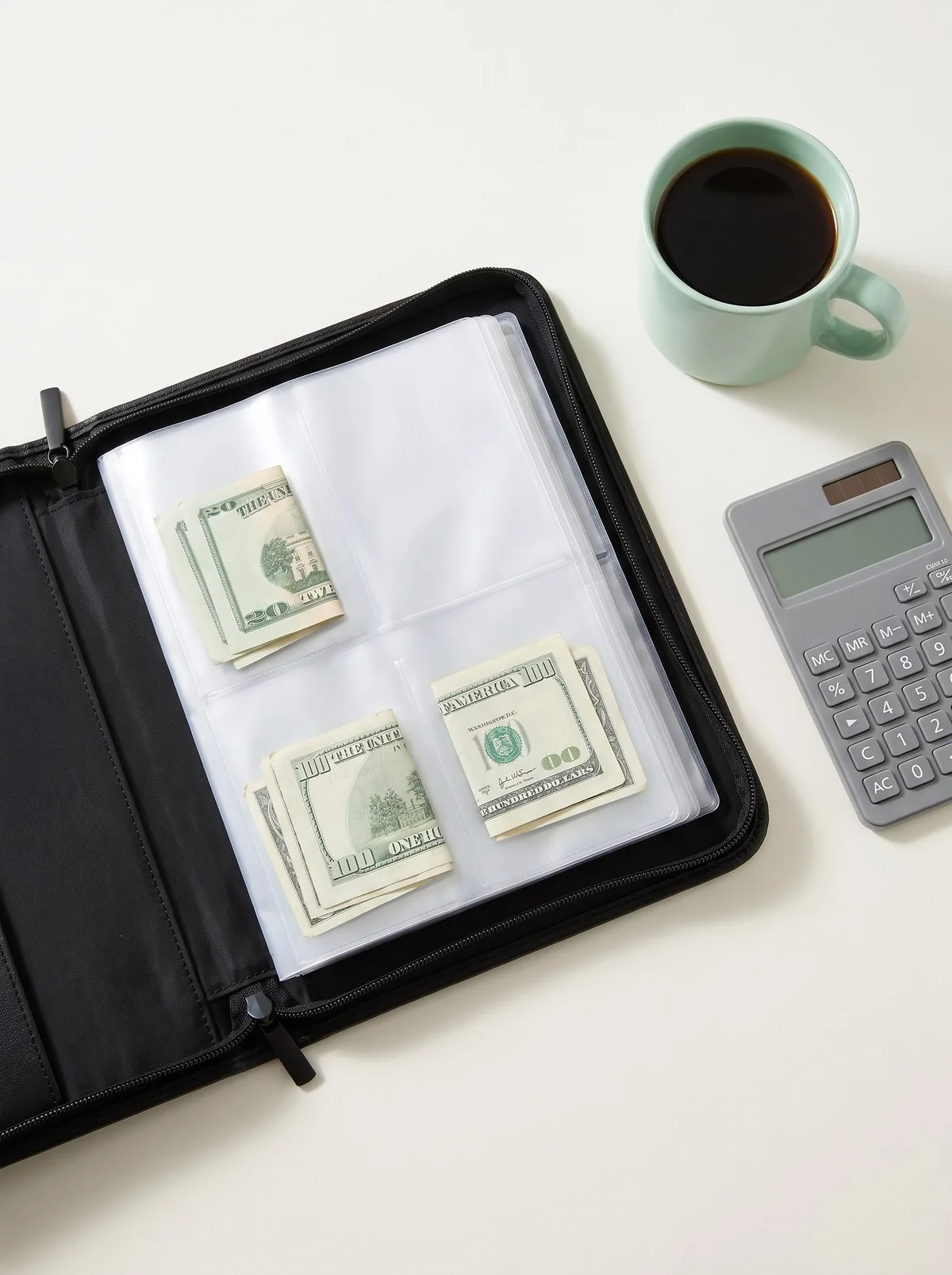
An honest cash envelope binder kit review: what the Sooez kit includes, how it compares to free paper envelopes and apps, the cons, and who should buy it.
Build a month-by-month sinking fund calendar so every predictable expense is funded before it hits. A 12-month map of what to save when, plus a worked example.
A back-to-school budget for one-income families: fund the season from one paycheck without debt, using a sinking fund and a shop-in-waves plan.
A back-to-school budget that works: set a real number, shop your house first, time the tax-free sales, and use a sinking fund to save on school supplies.
Budget binder vs budgeting app, compared honestly on cost, effort, security, and who each one fits. A clear decision guide, plus the case for using both.
Cash stuffing for beginners, explained step by step: what it is, how to pick categories, how much to stuff, and the binder to start with. No income promises.
50 sinking fund categories grouped by home, family, health, seasons, and fun, so you can catch the non-monthly expenses that keep wrecking your budget.
How to set up sinking funds in 5 steps, with a worked $2,400 example, a monthly-per-fund cheat sheet, and the simplest way to keep each fund separate.
The cash envelope system explained: which categories to switch to cash first, example amounts, a hybrid digital version, and empty-envelope fixes.
The debt snowball method explained in 4 steps, with a worked 3-debt example, the payoff order math.
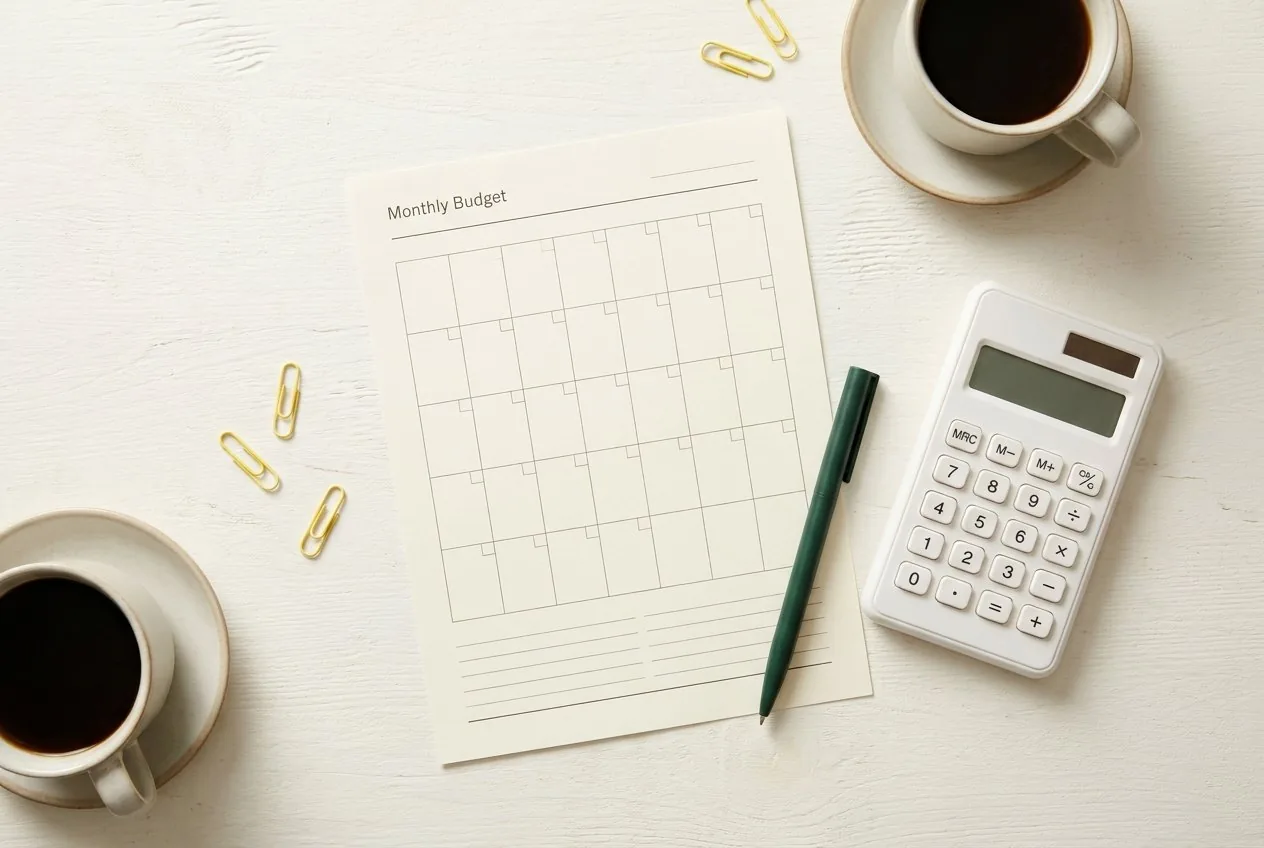
Learn how to make a budget in 5 beginner steps, with a sample $3,200 family budget, a 50/30/20 reality check, and a free printable template.